
Need advice on this product?
Speak to one of our experts today 02392 373735

£11,688.00 inc. VAT
£9,740.00 exc. VAT
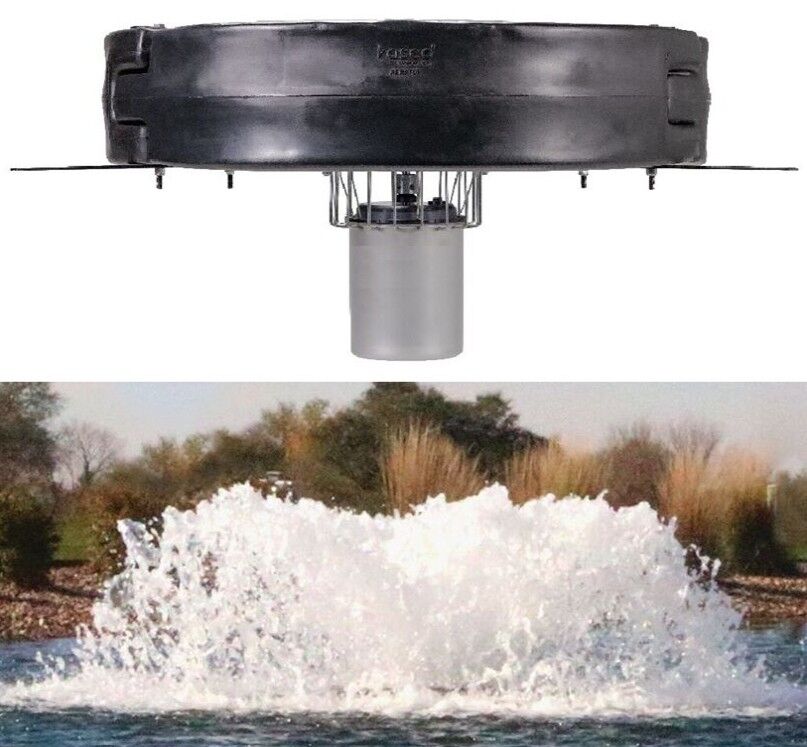
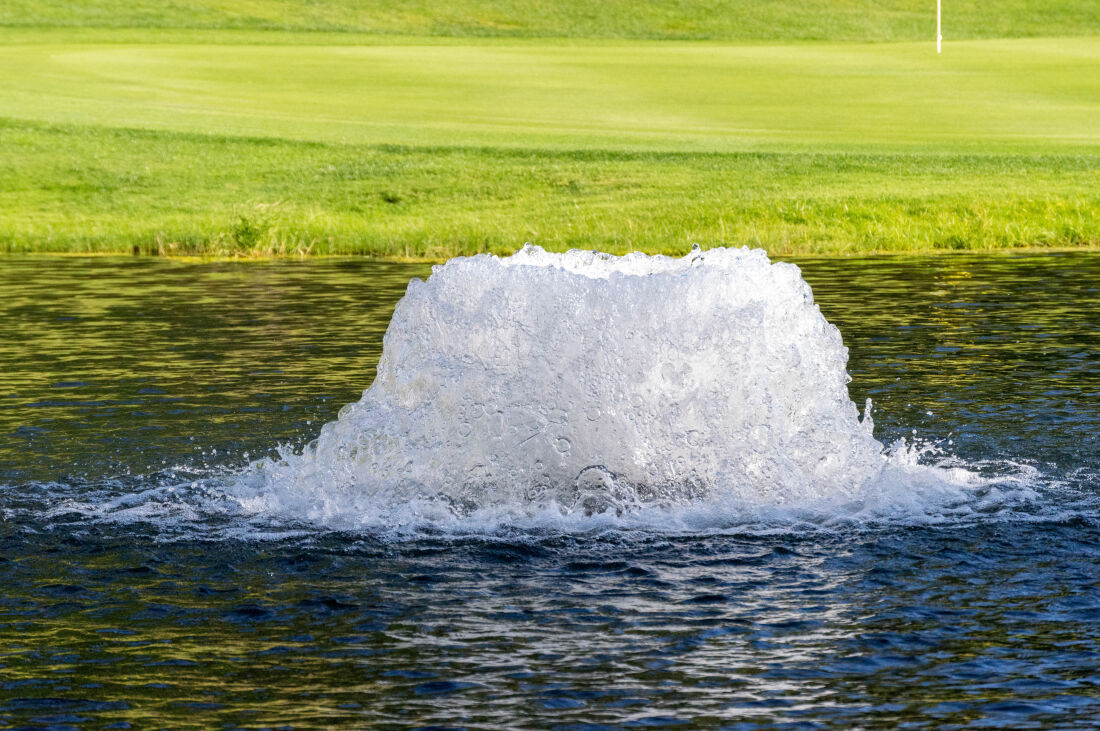

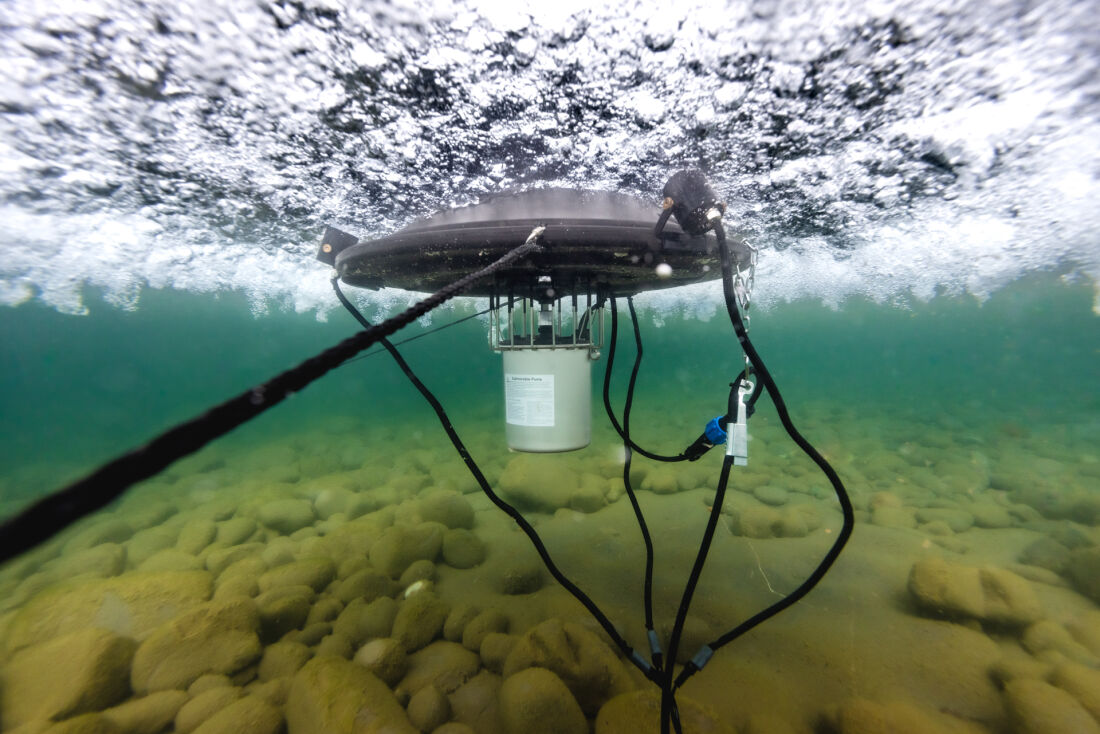
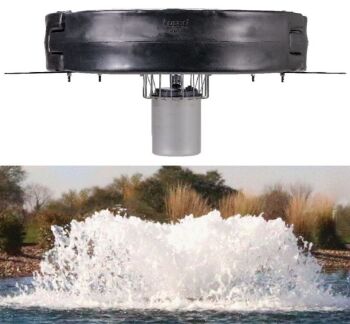
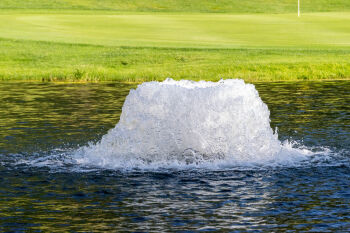
Floating aerators are an efficient way of high volume circulating, mixing and oxygenating water.
Aeration will help limit algae growth, prevent stagnation and promote biological activity that keeps water healthy. Aerating can vastly improve water quality and also creates a dissolved oxygen rich environment for aquatic life. These floating lake aerators can infuse up to 3lb of oxygen (per 1 motor HP) per hour in optimal conditions. Floating aerators can be used in deep water bodies, or operated in relatively shallow water. This type of aerator is simple to install and operate, making these units ideal for private lakes as well as commercial applications such as maintaining golf course lake water and aerating fish farming ponds. Surface aerators can be run constantly, or during targeted time periods, such as the warmest part of the day, or overnight in well planted waters.
This range of floating lake aerators is suitable for use in both freshwater and saltwater and can therefore be installed in saltwater lagoons and marinas, as well as lakes and ponds. The aerator units are pre-fitted with a protective Zinc Anode on the rotor shaft. This anode will protect the unit from corrosion and electrolysis in saltwater applications, as the anode acts as a sacrificial consumable part, reacting with the saltwater and safeguarding the stainless steel parts by cathodic protection. The Zinc Anode will reduce over time in saltwater and requires replacing when it has reduced to half of its original size, or when it turns white in colour. The Zinc anode would not usually require replacing in most freshwater applications, but should still be checked as a matter of precaution.
These surface aerators are built very robustly, with mechanical seals and long life bearings and therefore require little in the way of regular maintenance. A general inspection and clean of the unit housing once or twice annually should be all that is required to keep the unit in good condition. Particularly demanding applications may require more regular cleaning. In saltwater, the Zinc anode should be inspected quarterly (every 3 months) and replaced when necessary. If the unit is installed in a hard water area, it may be required to periodically soak the motor assembly in a solution containing water and de-scaler to remove any lime scale collected around the rotor. If the aerator is not being operated during the Winter months, this should be removed from the water and stored away to prevent any standing surface water from freezing around the rotor and outlet areas.
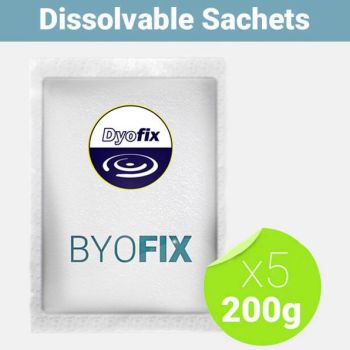
We recommend using ByoFix Lake Bacteria - 1Kg alongside an aerator to improve water quality by increasing and maintaining beneficial aerobic bacteria levels.
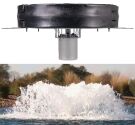 |
3HP (3 Phase) Floating Lake Aerator |
| Buy it now |
Use our helpful information section to assit you on buy and maintaning your products.